Living the Armenian Church Year

Click date-range or season below for readings, reflections, youth lessons & sermons for those Sundays

Jan-Feb

Աստուածայայտնութիւն

Theophany

A season of gifts; God's first gift of creation, then recreation by His Son-so that we'd know the love of the Father

Sundays of Theophany

Feb-March

Մեծ Պահք

Great Lent

‘The soul grows not by addition but subtraction’ thus we repent & refocus our priorities on God & others

Sundays of Great Lent

March-May

Յարութիւն

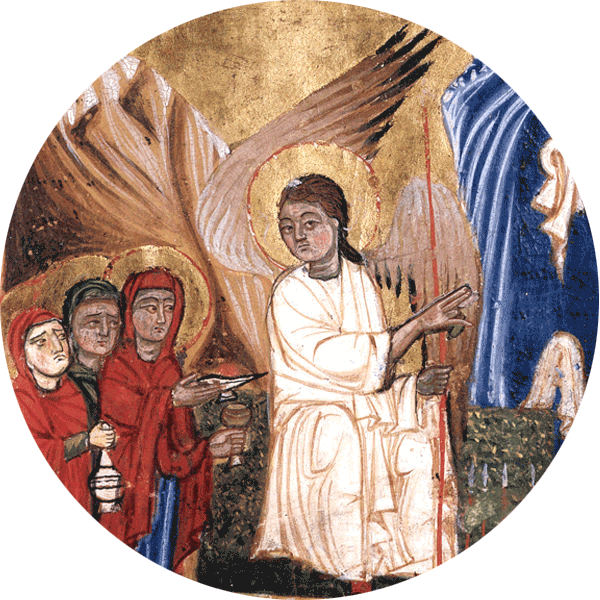
Easter

As the buried seeds of Winter rise to new life in Spring, the self-giving love of Jesus raises us from sin & death unto new life

Sundays of Easter

May-July

Հոգեգալուստ

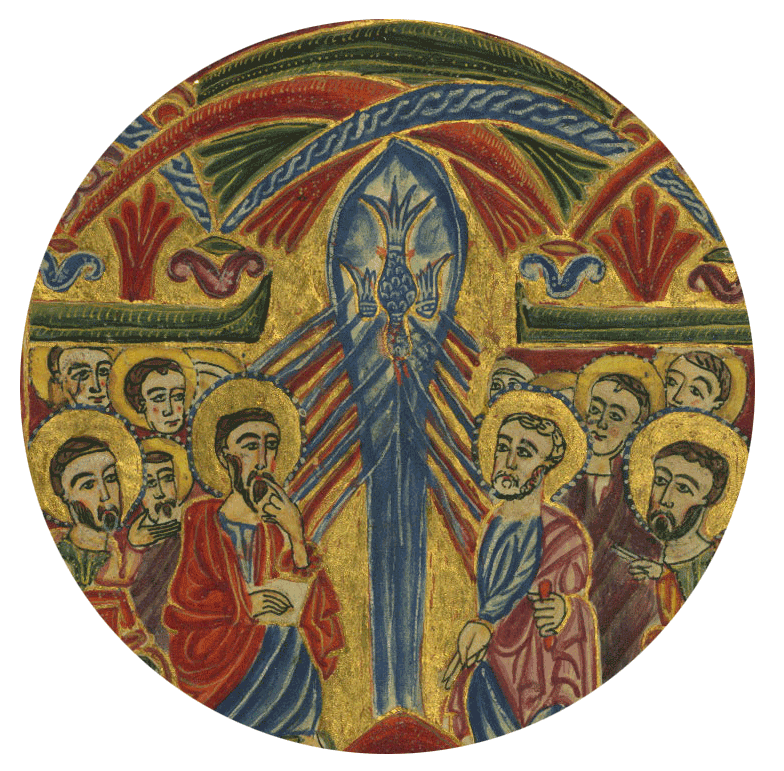
Pentecost

Returning to His Father, Jesus sends his Spirit, to dwell in the sacramental life of the church and the hearts of its faithful

Sundays of Pentecost

July-August

Այլակերպութիւն

Transfig.

Jesus is revealed as the light of the world, we are to reflect his transforming light, in worship and in our daily lives

Sundays of Transfiguration

Aug-Sept

Վերափոխում

Assumption

A season of gratitude to God for the gifts of the harvest and all life; offering our best to God in return

Sundays of Assumption

Sept-Nov

Խաչվերաց

Exaltation

A time where we look up from the ways of the world,  lifting the cross and God’s merciful love over all things

Sundays of Exaltation

Nov-Jan

Յիսնակ

Advent

As the season grows dark & still, we repent & ready ourselves for the the light of the world

Sundays of Advent

All Saints

About This Saint

While All Saints Day is a fixed feast day in the Western church (Nov. 1st) the Armenian Church celebrates All Saints Day on the Saturday after the 7th Sunday of the cross. In all churches, All Saints Day is a time to recognize those once in a generation spiritual masters who dedicated their lives to Christ by doing good works for him or giving up their very lives for his sake. The Armenian Church does not only celebrate the famous few, however, the full name for our feast is ‘The Feast of All Saints; Old and New, Known and Unknown.’ In our oldest biblical and church tradition, saints aren’t just the ancient famous few, and they aren’t buried in the past. Saint in Armenian is simply ‘Soorpn’ or ‘Holy One.’ The saints are the unknown many from recent times and even now who are earnestly attempting to follow Jesus and by his Spirit allowing themselves to become one of his many precious Holy Ones.

This Saint's Life

In Summary


  • The Armenian Church celebrates All Saints Day each November, honoring both known and unknown holy people who lived lives of faith, love, courage, and devotion to Christ.

  • Saints were not born extraordinary. Most began as ordinary people who, through faith and God's grace, became examples of Christian holiness.

  • Learning about the saints helps us follow their example and recognize the "seeds of sainthood" in others and in ourselves.

  • In the early Church, St. Paul often referred to faithful Christians as "saints," showing that holiness is the calling of all believers who love and serve God.

  • In the Armenian Church, sainthood is not declared through a formal process but through the recognition of the Church community that a person's life reflected the Spirit of God.

  • Many saints experienced dramatic conversions. Examples include St. Paul, who once persecuted Christians, and King Drtad, who persecuted St. Gregory before embracing Christ.

  • The saints are often compared to stained-glass windows: God's light shines through them to illuminate the world. Their lives remind us that Christ's light can shine through us as well.

  • On the Feast of All Saints, Christians honor and celebrate the saints, asking for their intercessions and inspiration, while remembering that holiness begins on earth and that the saints help make the Church holy through their faithful witness.


In Depth

Celebrating the Saints

In November every year, the Armenian Church celebrates All Saints Day. As a church we remember the good and holy people—whether known or unknown—who were spirited heroes filled with Christ’s love, endurance, and faith. Often they started out as ordinary people with ordinary lives. But they became extraordinary models of the character of sainthood.

Even so, the saints of the church remain obscure to many of us. We spend countless hours a day reading books, newspapers, the Internet; but seldom do we read about the saints and their lives. Yet if we don’t know them, how could we ever follow their holy examples?

And how will we recognize the “seeds” of saintliness in the people around us—even in ourselves? In St. Paul’s writings to the early Christian communities, he commonly addressed his followers as “saints,” simply because he saw them as good, holy, God-loving people. In Armenian we have specific words—Asdvadzaser, Asdvadzahajoh—to describe those who devotedly follow the Lord throughout life. These are the saints of our daily experience.

But how is a “Capital S” canonized Saint declared?

Surprisingly, in the Armenian Church tradition, no rigidly structured process is involved. It happens by consensus of the laity and clergy: a universal agreement that a particular person’s deeds and intentions—his or her “living in the spirit of God”—pointed to sainthood. Such people are said by the church to “sit at the right hand of Christ,” and to be honored and emulated by the faithful.

Light Shining Through

Remember this, though: No one is born a saint. We are all born sinners, and only by sacrament and faith do we answer God’s call to holiness. For some, making that choice seems the furthest thing from the earlier record of their lives. St. Paul persecuted and killed Christians; the Armenian King Drtad tortured St. Gregory, murdered St. Hripsime, and went mad. Both—and many others like them—eventually saw the Light of God, and saw their lives transformed.

You might say the Light of God shines through them, to illuminate the world. Perhaps that explains why churches often depict the saints in stained glass windows. The light passes through the painted figures to illuminate the sanctuary and shine on the worshippers. But this should also remind us that Christ’s Light can shine through us, too—and bring its warmth and brightness to those around us.

Remember that Heaven is not the only “home” of the saints. Every one of them first lived here on Earth. That is where sainthood begins. Were we to meet the well-known saints during their earthly lives, we might be surprised to find that for some of them, at least, their demeanors were not sweet and angelic, but gruff and sharp around the edges. In that regard, they really were no different from us. But it’s the good they performed, the faith they embodied, that makes them models to imitate—and celebrate.

And we will indeed celebrate them this Saturday, on “The Feast of All Saints: The Old and the New, the Known and the Unknown.” Through prayer we will ask them to inspire us with their spirit, and to intercede on our behalf with God. We will not pray to them—only Christ our God receives prayers. But we will pray with the saints, firm in the conviction that it is not the church that makes a saint holy: it’s the saints who make the church holy.

—Fr. Garabed Kochakian

Lesson About This Saint

Sermons About This Saint