



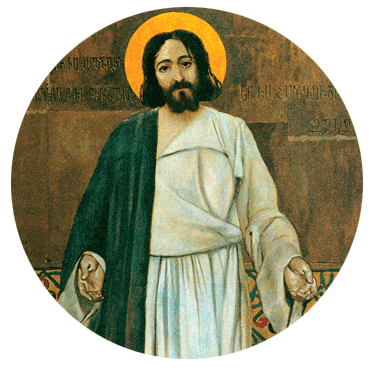
King Abgar
About This Saint
The Armenian Church remembers St. Abgar the King on the Saturday before the 5th Sunday of Advent. King Abgar is remembered as one of the first rulers to embrace faith in Jesus Christ. Though he never met Christ in person, he believed after hearing of His miracles and wrote to Him, confessing Him as the Son of God. Jesus praised those who believe without seeing and later sent the Apostle Thaddeus to Edessa. Thaddeus healed Abgar, baptized him, and preached the Gospel throughout the kingdom, including of course Armenia. The life of King Abgar reminds Christians that those in positions of responsibility also need Jesus’ healing grace, and that faith in Christ is a reality that goes beyond space and times, such that believer can pass on faith in him to another by their witness.
This Saint's Life
In Summary
- St. Abgar V, King of Edessa, is remembered as one of the earliest rulers to accept the Christian faith.
- Though he never met Jesus personally, he believed in Him after hearing reports of His miracles and teachings.
- Abgar wrote to Christ, confessing Him as God and the Son of God, and asking for healing.
- Jesus praised those who believe without seeing and promised to send one of His disciples.
- After Christ's Ascension, St. Thaddeus the Apostle came to Edessa, healed Abgar, and baptized him.
- Through Abgar's support, the Gospel spread throughout his kingdom and many people became Christians.
- St. Abgar's example teaches us to trust in Christ, listen to the witness of faithful believers, and use our gifts and influence to serve God and share the Gospel.
In Depth
The Armenian Church remembers St. Abgar The King on the Saturday before the 5th Sunday of Advent
King Abgar V lived in the time of Christ, is one of the first Christian kings and may have been of Armenian ethnic background. The story of his conversion was powerful enough to compel three ancient historians to write of him; Lerubna of Edessa, Eusebius of Caesarea and Moses of Khoren. These are a summary of their account of the life of the King.
When the Christ child was born, an unusual star appeared in heaven. Three wise men, seeing this star, knew that something unusual had happened in the world. They followed the star, came to Bethlehem and worshipped the Christ child. They brought him precious gifts, among which were some that a prince of Edessa had given them. The name of this prince was Abgar.
Toward the end of his life on earth, when Jesus came to preach in Jerusalem, Abgar was an old king and very sick. He had tried all the medicines that were known in his time, but nothing helped. He suffered terribly but had to continue as ruler of his land.
On one occasion Abgar had to send three men to the Roman consul who lived far from Edessa. On their way back, these three men passed through Jerusalem and heard of all the wonderful things that Jesus did. They were particularly impressed by Christ’s healing of the sick (because they were worried about Abgar’s health) and hurried back to Edessa to report to their king what they had heard and seen. They also told him that most Jews did not like Jesus, and that they were planning to kill him by nailing him on a cross.
Abgar wanted very much to go to Jerusalem, but being a king, he could not travel freely in Roman-ruled Palestine. He therefore wrote a letter to Jesus and said: “I heard about you and I believe and confess that you are God and Son of God. I ask you to come to my city so that I may worship you and so that you can heal me. I also wish to protect you against the Jews that are plotting against you. You will live in peace in my kingdom.”
Abgar’s messengers went back to Jerusalem and presented the letter to Jesus. He said he was very sorry he could not come but promised to send one of his disciples to Edessa. “Blessed are those,” he said to the messengers, “who believe in me without seeing me.”
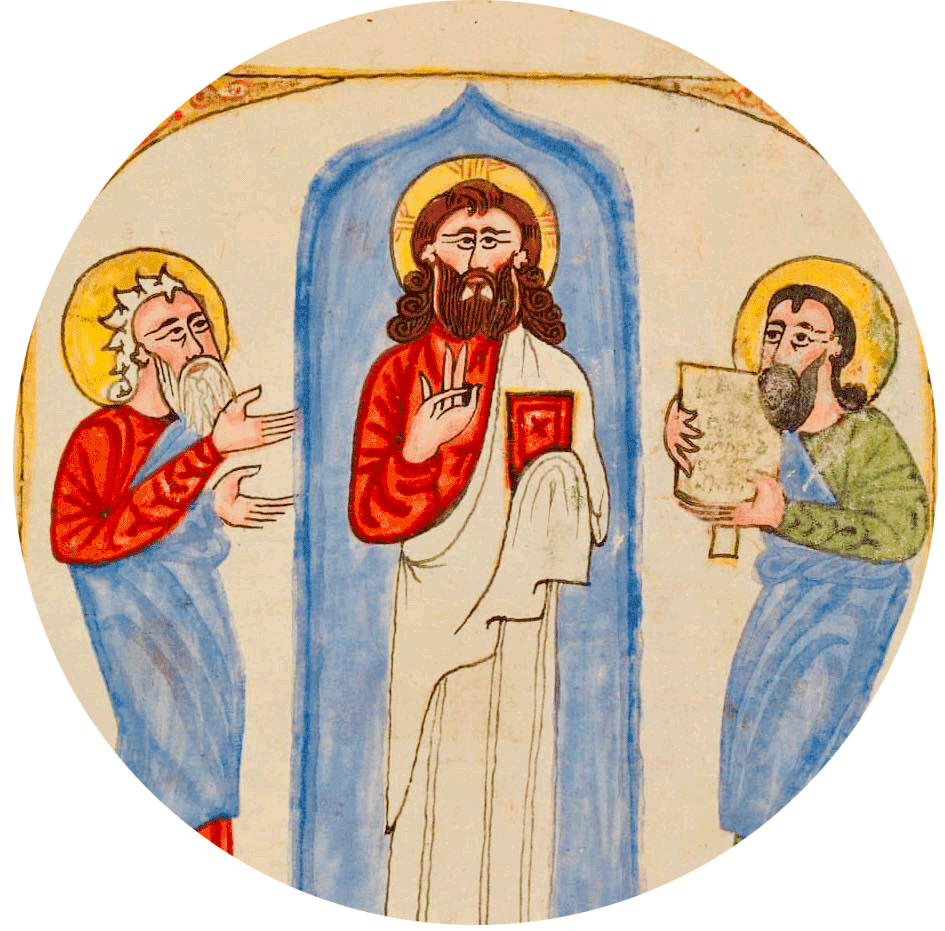
It was Thaddeus, one of the apostles of Christ, who came to Edessa after the Ascension of our Lord. He came to the house of Dupia who was a Jew himself, and from there he contacted the king. The king received him with great honors. He soon became a Christian by being baptized. Thaddeus healed him in the name of Jesus Christ and several of his subjects with him. King Abgar did everything he could to facilitate Thaddeus’ work and helped him very much. He wanted to give him many presents, but Thaddeus refused to take anything. Thaddeus had only one dream—to bring to Christ as many people as possible. He left his assistant, Addeh, in Edessa and went on to Armenia.
-From Fr. Tavit Boyajian 'Living the Armenian Church Year,' 2011