



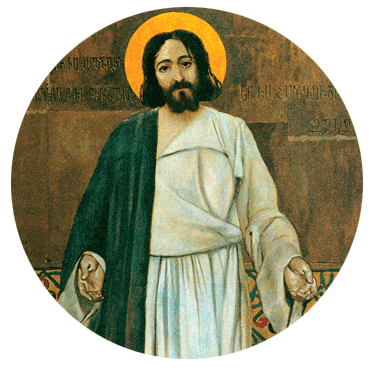
Archangels Gabriel & Michael
About This Saint
The Armenian Church celebrates the Feast of the Angels on the Saturday following the Eighth Sunday of the Holy Cross, honoring Archangels Gabriel and Michael and all the heavenly hosts. Life is much more than the material and measurable, we believe there are spiritual forces behind our day to day living. The Armenian Church has always believed in angels which serve God and assist his good grace, acting as messengers, protectors, and servants to effect his plan for people and the world. We believe also in guardian angels, which watch over us and help guide us toward God's Kingdom. Today’s celebration of angels reminds us that there is much more to God’s world than meets the eye, and we are never alone in our spiritual journey. God provides both earthly and heavenly companions to help lead us closer to Him.
This Saint's Life
In Summary
The Armenian Church celebrates the Feast of the Angels on the Saturday following the Eighth Sunday of the Holy Cross, honoring Archangels Gabriel and Michael and all the heavenly hosts.
Angels are spiritual beings created by God who possess intelligence and free will. They do not have physical bodies but serve as God's messengers and servants.
The word angel means "messenger," and the Armenian word hreshdag reflects their role in carrying out God's will and assisting in His plan of salvation.
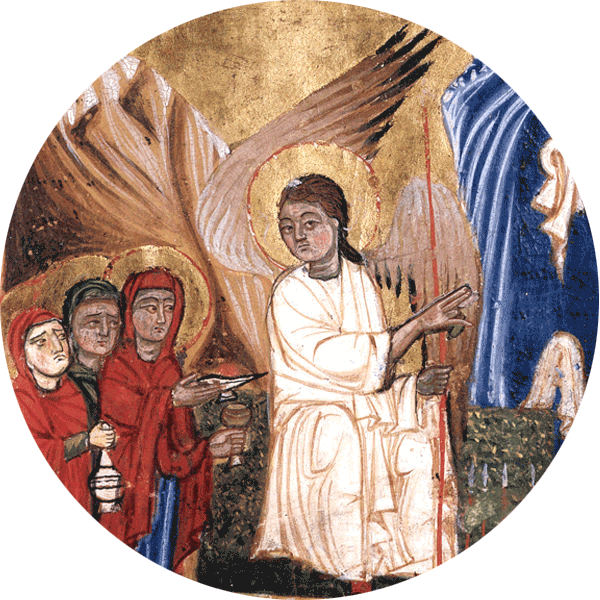
Throughout the Bible, angels guide, protect, and communicate God's message, including announcing the births of St. John the Baptist and Jesus Christ and proclaiming Christ's Resurrection.
The Armenian Orthodox Church teaches that guardian angels watch over and guide believers, especially children, helping lead them toward God's Kingdom while respecting their free will.
Archangel Gabriel, whose name means "Strength of God," is best known for announcing the births of St. John the Baptist and Jesus Christ.
Archangel Michael, whose name means "Who is like God?", is honored as the leader of the faithful angels and defender of God's people against evil.
The feast reminds Christians to imitate the angels' virtues of faithfulness, obedience, purity, and devotion to God, joining with them in praise: "Holy, Holy, Holy is the Lord of Hosts; heaven and earth are full of Your glory."
In Depth
On the Saturday after the 8th Sunday of the Cross, the Armenian Church celebrates the Feast of the Angels in honor of the Holy Archangels Gabriel and Michael, together with all the heavenly hosts. Just as the Church honors the saints, it also venerates the angels, who are God's faithful servants and messengers.
Angels are spiritual beings created by God at the beginning of creation. Like human beings, they possess intelligence and free will, but unlike us they do not have physical bodies. Although normally invisible, they can appear in visible form whenever God wills it. The word angel comes from a Greek word meaning "messenger," while the Armenian word is hreshdag. Their role is to serve God and carry out His commands. As St. Paul writes, angels are "ministering spirits sent forth to minister for those who will inherit salvation" (Hebrews 1:14).
Throughout the Bible, angels play an important role in God's plan of salvation. They appeared to Abraham, guided the prophets, and protected God's people. The Archangel Gabriel announced the birth of St. John the Baptist to Zechariah and later brought the joyful news to the Virgin Mary that she would become the Mother of Jesus Christ. Angels proclaimed Christ's birth to the shepherds, singing, "Glory to God in the highest" (Luke 2:14). They were also among the first witnesses of Christ's Resurrection.
The Armenian Church, along with other Orthodox churches, teaches that God has entrusted guardian angels to watch over His people, especially children. Christ Himself said, "Their angels in heaven always see the face of My Father who is in heaven" (Matthew 18:10). Guardian angels help guide us toward God and encourage us toward what is good, but they never force us to act against our free will.
Among the angels mentioned by name in Scripture, Gabriel and Michael hold special places. Gabriel's name means "Strength of God." He appears in the Book of Daniel and in the Gospel of Luke as the messenger of God's saving plan. Michael's name means "Who is like God?" Tradition identifies him as the leader of the faithful angels who stood against the rebellion of Satan and the fallen angels. He is honored as a defender of God's people and a leader of the heavenly hosts.
The Bible also speaks of other angelic orders. The Seraphim stand closest to God's throne and continually proclaim: "Holy, Holy, Holy is the Lord of Hosts" (Isaiah 6:3). The Cherubim are described as heavenly throne-bearers who dwell in God's presence.
The Feast of the Angels reminds us that we are never alone in our spiritual journey. The angels are our heavenly friends and helpers, assisting us in our struggle against temptation and leading us toward God's Kingdom. On this day, we are called to imitate their faithfulness, purity, obedience, and devotion to God. Together with the angels, we glorify the Lord, singing: "Holy, Holy, Holy is the Lord of Hosts; heaven and earth are full of Your glory."